Sole Care – The Silent Foundation of Your Footwear
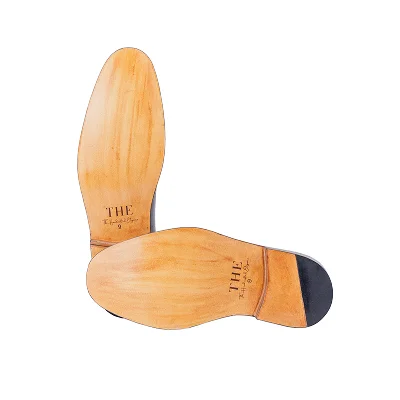
While the upper leather gets all the attention, the sole is the foundation upon which every handcrafted shoe stands. It is where function meets longevity—quietly bearing the weight of each stride while providing posture, comfort, and performance. Ignoring sole maintenance is one of the quickest ways to shorten the life of your premium leather shoes.
Why Sole Care Matters
The sole determines more than just durability—it affects how your foot aligns, how your stride rolls, and how long your shoe retains its handcrafted integrity. Whether your shoes are finished with leather soles or protected with rubberized sole guards, every element of the bottom layer works hard with every wear.
Premium leather soles are breathable and mold beautifully to your feet over time, but they’re also susceptible to wear, moisture, and friction. Regular care will prevent premature breakdown and extend the resole cycle.
Best Practices for Sole Maintenance
Step 1
Rotate Your Pairs:
Avoid wearing the same pair two days in a row. This allows the leather sole to rest, breathe, and dry naturally—especially after long or humid wear.
Step 2
Use Protective Sole Guards (Topy):
A thin rubber sole guard—professionally installed—adds grip, water resistance, and extra wear resistance while preserving the original leather sole underneath. These are especially useful if you walk in urban, wet, or gritty environments.
Step 3
Inspect Regularly:
Every 10–15 wears, inspect the ball of the foot and heel edge for wear. Leather soles naturally thin over time, and neglecting thinning soles can lead to structural damage. A cobbler can replace soles before it affects the shoe’s shape or comfort.
Step 4
Heel Edge Preservation:
Heel tips wear faster than any other part of the sole. Once they taper or slope, you risk altering your gait and even twisting the leather upper. Replacing heel taps early prevents internal stress on your shoes.
Step 5
Keep Them Dry:
Never wear premium leather soles in heavy rain or wet areas. If they do get wet, insert shoe trees and allow them to dry at room temperature—never near heaters or direct sun.
When to Resole
You’ll know it’s time to resole when:
- The leather sole thins to less than 3mm.
- The shoes feel less structured or sink inward.
A quality resole can revive the shoe’s comfort, balance, and lifespan—offering years of additional wear.
Before you get started
A Few Additional Tips
Tip-1
Use Shoe Trees - Using wooden shoe trees will help to absorb moisture and maintain the shape of the shoes as they dry out. Using a shoe horn prevents damage to the heels, counter and top line.
Tip-2
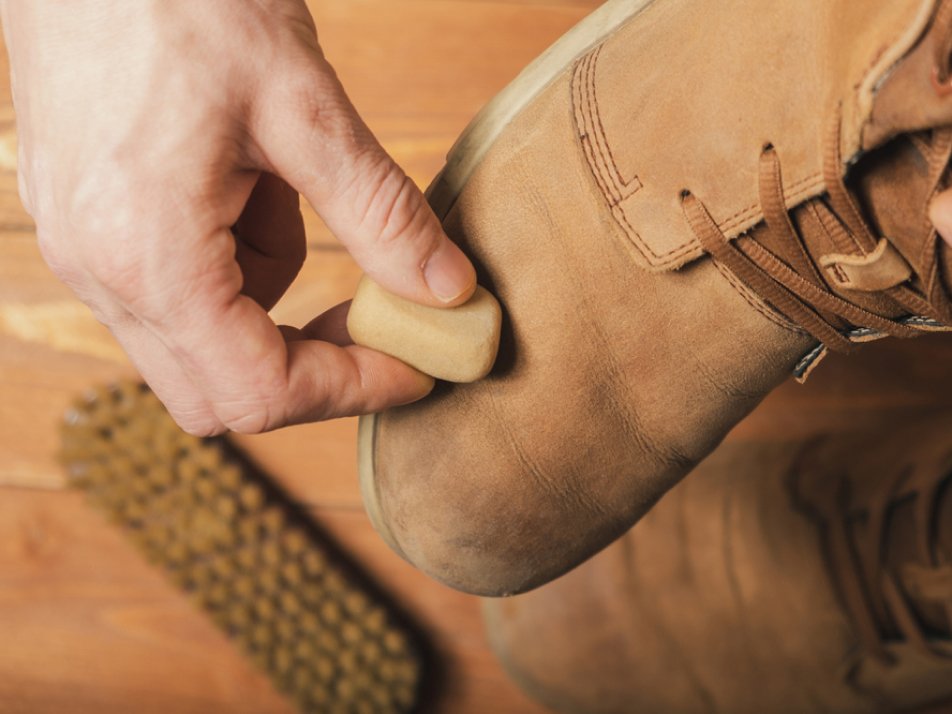
Flaming Suede - If your suede shoes have become ‘furry’, as in the nap has drawn out from the suede, you can use a naked flame from a lighter to gently remove this unwanted nap. This longer nap can often give the effect that the suede has faded. Using a raw flame must be done with extreme caution and you must ensure you keep the flame moving at all times. Do not leave suede hovering over a flame as it will burn and damage the skin.
Tip-3
Steaming Suede - Following the use of a flame, and if you do not have any re-colouring spray to hand, hover your suede shoes upside down over the steam from a boiling kettle is remarkable at bring suede back to life in the short term.
Tip-4
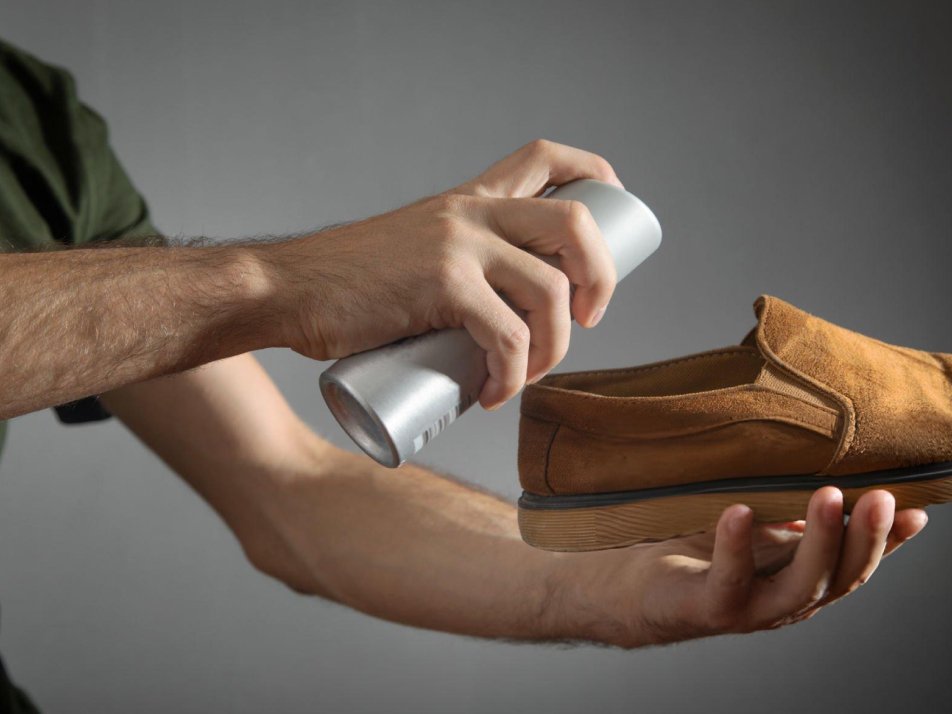
Protect From The Elements - To aid waterproofing, we recommend using our Super Invulner. This impregnator spray is highly concentrated in flourished resins and is very effective against rain, snow and all types of potential staining agents such as grease and alcohol based drinks.
Tip-5
Wax Crayon - During the manufacturing process, we ink stain and wax set the sole edges to increase water resistance. As one can imagine, soles take the most abuse during wear, coming into contact with hard surfaces regularly. At home, you can use a hard wax crayon to apply a similar colour wax to the edges where any raw fibres from the leather welt or sole are visible or where the factory wax has been damaged through wear.
Brushing & Cleaning
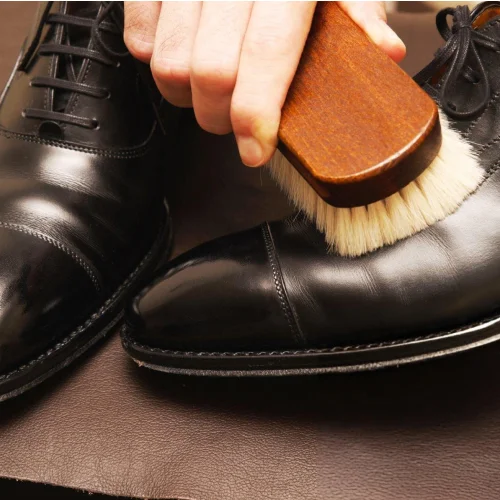
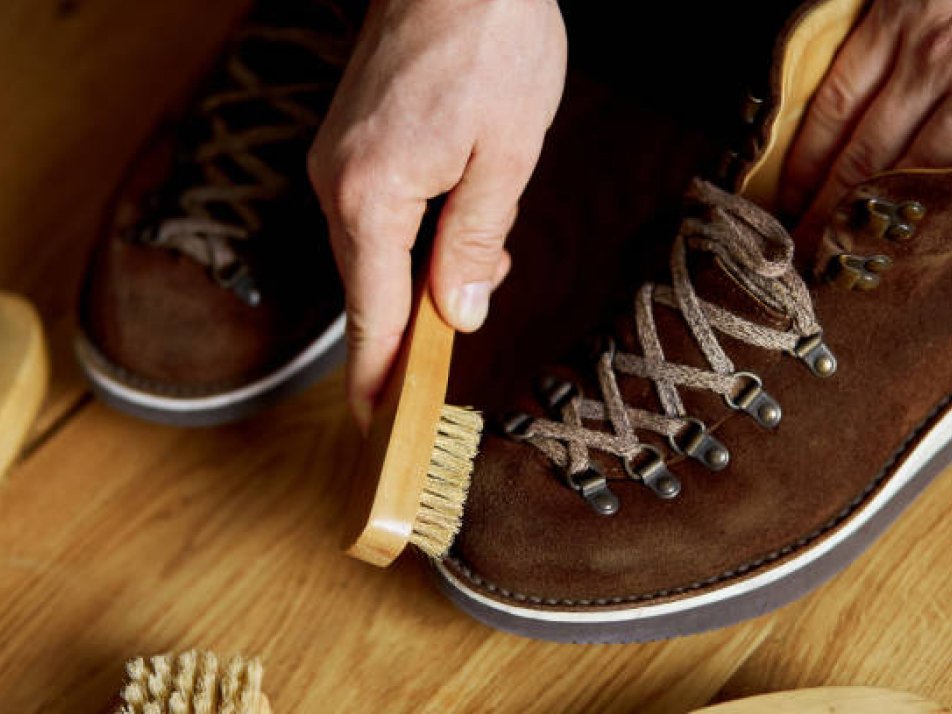
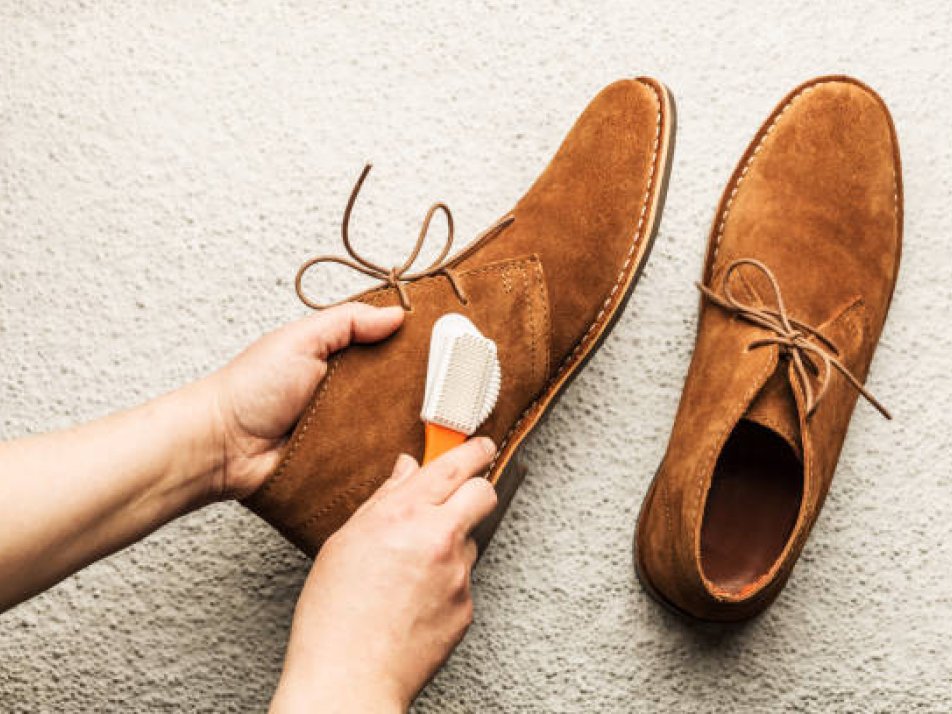
Brushing is essential for daily upkeep. Use a soft horsehair brush to remove dirt and restore leather’s natural luster. Always brush before and after polish for even results. For suede, use a dedicated suede brush. A few gentle strokes daily will keep your shoes clean, polished, and sophisticated.
Read More